Dentistry
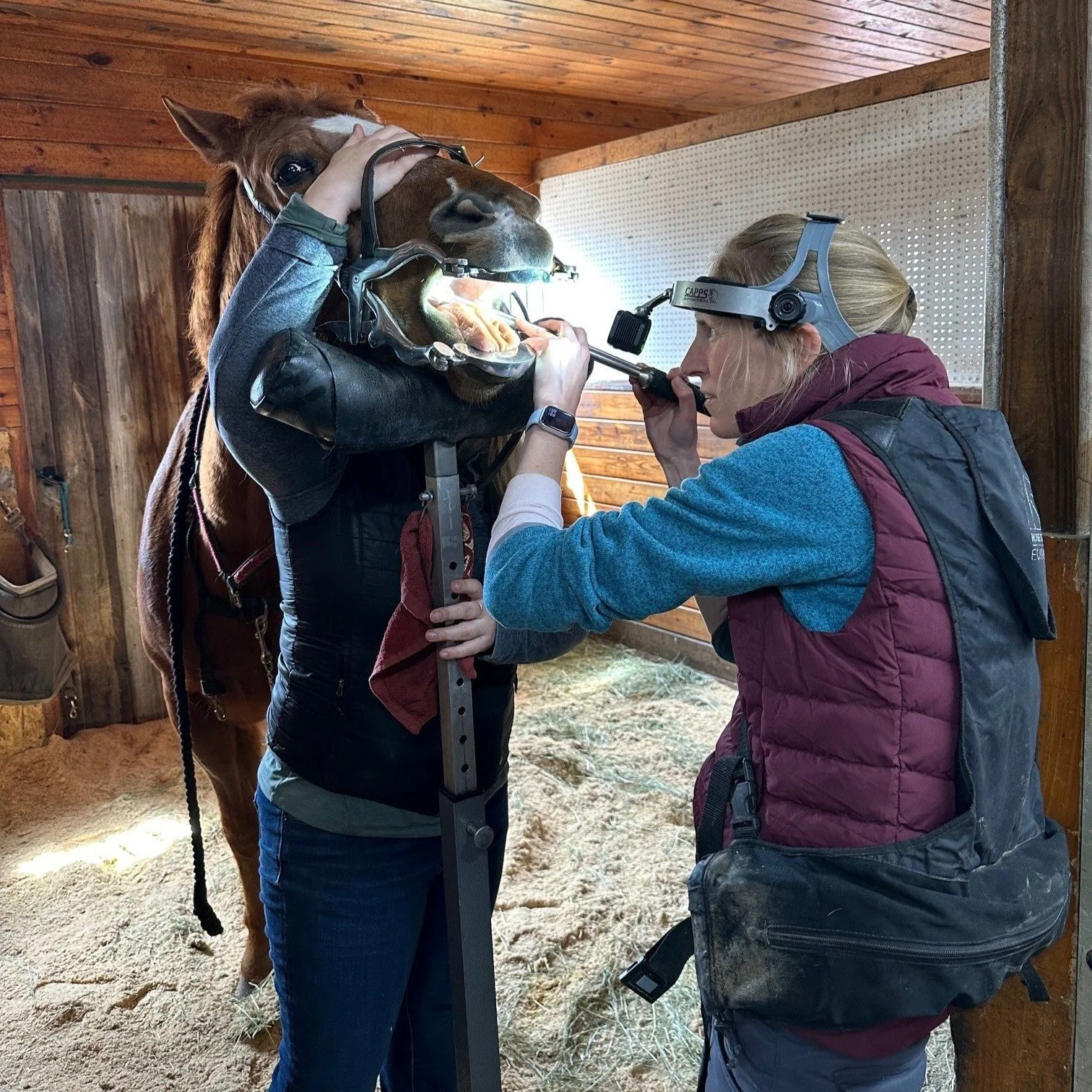
Dental care is about more than just floating teeth- it’s about an important part of your horse’s overall health and comfort. Horses’ teeth continue to erupt throughout much of their lives, and uneven wear can create sharp enamel points that irritate the cheeks and tongue. A thorough dental examination also helps identify concerns such as fractured or loose teeth, periodontal disease, and abnormal wear.
Floating smooths sharp points and addresses uneven wear when needed, but every horse’s mouth is different. At All Horses Great and Small, we tailor dental care to your horse’s age, dental findings, and individual needs. Signs of a problem may include dropping feed, difficulty chewing, weight loss, foul breath, or resistance to the bit- but some horses show no obvious signs. Regular yearly dental examinations help us catch concerns early and keep your horse comfortable, eating well, and feeling their best.
Other dental services include:
Oral examinations
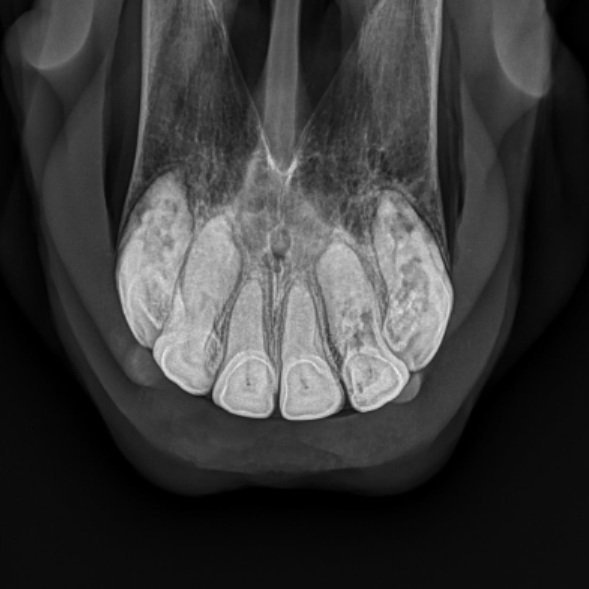
Dental Radiographs
Extraction
Premolar
Molar
Wolf teeth
EOTRH
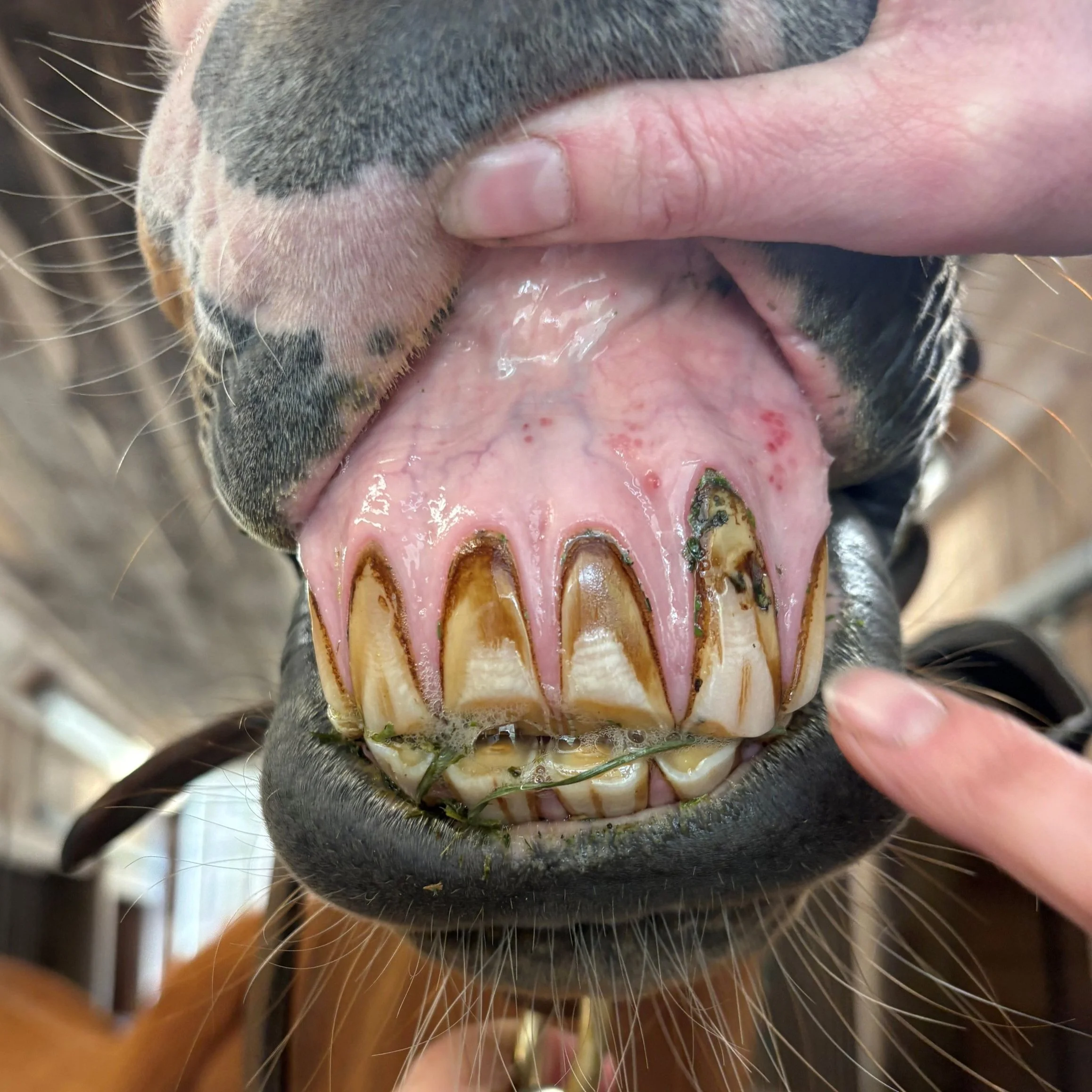
Equine Odontoclastic Tooth Resorption and Hypercementosis (abbreviated for obvious reasons to ‘EOTRH’) is a painful disease most often seen in older horses. It primarily affects the incisors (front teeth) and sometimes the canine teeth, causing breakdown of tooth structure and, in some cases, excessive cementum buildup around the teeth.
Signs can include difficulty biting into treats or grazing, sensitivity around the mouth, swollen or receding gums, and loose teeth. However, some horses show few outward signs despite significant discomfort. Dental radiographs are essential for evaluating changes below the gumline and guiding treatment. Extraction of affected teeth is often recommended to relieve pain, and most horses adapt very well, returning to comfortable eating and grazing.